
Arabica Coffee Specs
Specs
general specifications for Arabica coffee
Here are the general specifications for Arabica coffee (Coffea arabica) these are the typical qualities buyers, roasters, and exporters look for:
Botanical & Cultivation
- Species: Coffea arabica
- Altitude: 600–2,000 meters above sea level (higher altitudes produce higher quality beans)
- Climate: 15–24 °C (cool tropical climates)
- Rainfall: 1,200–2,200 mm annually
- Soil: Volcanic, loamy, well-drained, rich in organic matter
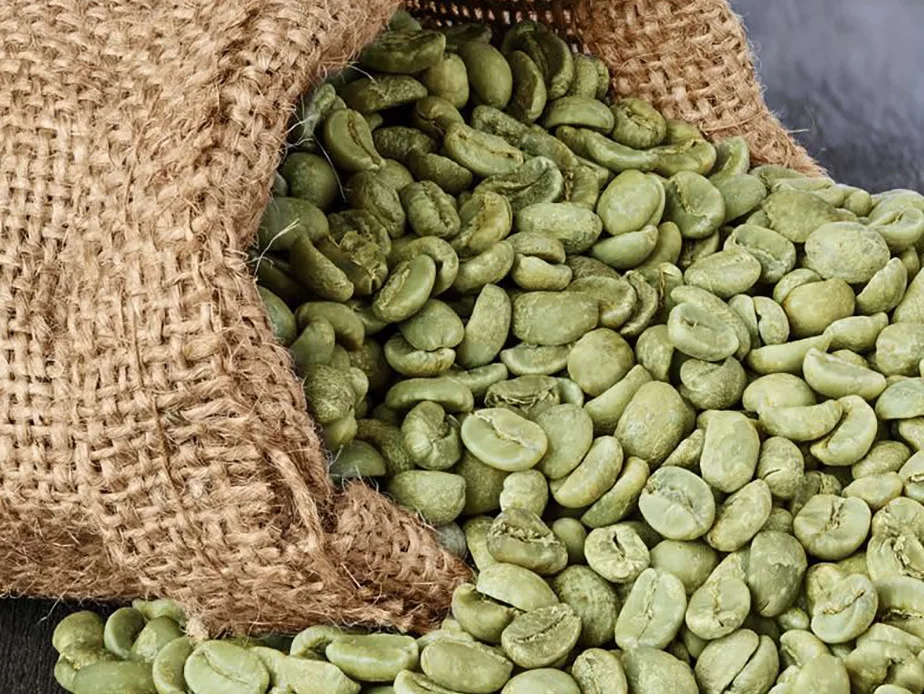
Bean Characteristics
- Shape: Oval with a curved crease (vs. Robusta’s round/straight crease)
- Size: Larger than Robusta (screen size grading: 14–20 typically)
- Density: Higher at high altitudes → better roasting quality
- Moisture Content: 10–12% (standard for export)
- Defect Count: Based on SCA grading (specialty <5 defects per 300g sample)
Chemical Composition
- Caffeine: 0.8–1.5% (lower than Robusta ~2–3%)
- Lipids (oils): ~15–17% (gives richer body and crema)
- Sugars: ~6–9% (mainly sucrose → caramelization during roasting)
- Chlorogenic Acids (CGA): 5.5–8% (lower bitterness vs. Robusta)
Flavor Profile
- Acidity: Bright, fruity, wine-like (higher than Robusta)
- Body: Medium to light (silky mouthfeel)
- Aroma: Floral, fruity, chocolatey, nutty, depending on origin
- Taste Notes: Citrus, berries, caramel, honey, chocolate
Processing & Grading
- Processing Methods: Washed (common for Arabica), Natural/Dry, Honey
- Export Grades (examples, may vary by origin):
- Ethiopia: Grade 1–9 (G1 highest)
- Colombia: Supremo (largest beans), Excelso
- Brazil: NY 2/3 (strictly soft beans, low defects)