
Robusta Coffee Specs
Specs
general specifications for Robusta coffee
Here’s a detailed specification sheet for Robusta coffee (Coffea canephora):
Botanical & Cultivation
- Species: Coffea canephora (commonly called Robusta)
- Altitude: 0–800 meters above sea level (thrives at lower altitudes vs. Arabica)
- Climate: Hotter, more humid conditions (24–30 °C)
- Rainfall: 2,000–3,000 mm annually
- Soil: Tolerates poorer soils, more resistant to pests and diseases
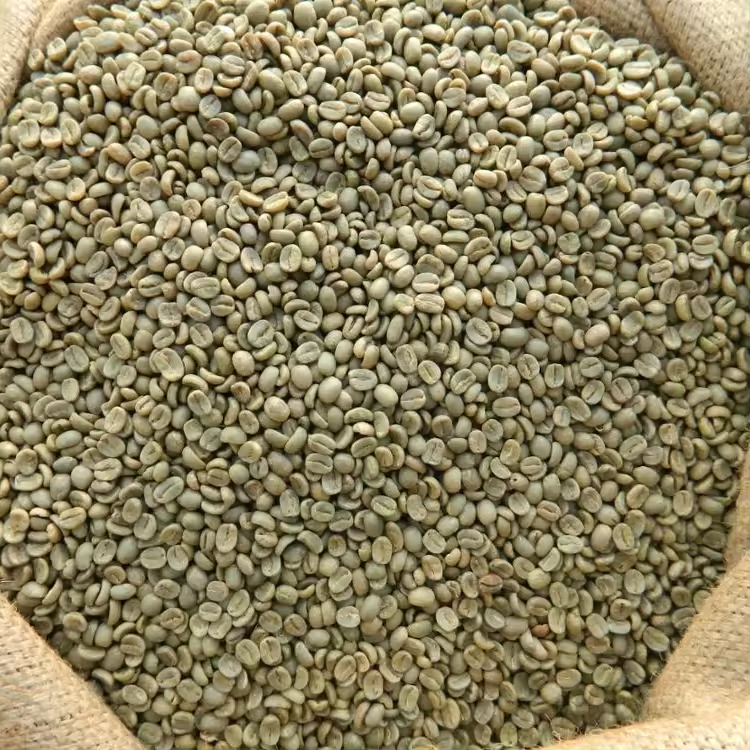
Bean Characteristics
- Shape: Smaller, rounder beans with a straight crease
- Size: Screen size usually 13–16 (smaller than Arabica)
- Density: Lower than Arabica → requires different roast approach
- Moisture Content: 10–12% (export standard)
- Defect Count: Graded per SCA/ICO standards; more tolerant of defects than Arabica
Chemical Composition
- Caffeine: 2.0–3.0% (almost double Arabica)
- Lipids (oils): ~10–12% (lower than Arabica → less crema richness)
- Sugars: ~3–7% (lower sweetness vs. Arabica)
- Chlorogenic Acids (CGA): 7–10% (more bitterness and astringency)
Flavor Profile
- Acidity: Low (flat compared to Arabica)
- Body: Heavy, strong, earthy, full-bodied
- Aroma: Woody, nutty, earthy, sometimes rubbery
- Taste Notes: Strong, bitter, dark chocolate, grainy, earthy; used for espresso blends for crema and strength
Processing & Grading
- Processing Methods: Mostly Natural/Dry or Wet Process (washed Robusta is rare but gaining popularity in specialty coffee)
- Export Grades (examples vary by country):
- Vietnam: Grade 1–5 (based on defects and moisture)
- Uganda: Screen size grading AA, A, B
- India: Cherry (natural) and Parchment (washed) Robusta